info@gpprint.co.uk   |   01733 340 622   |   About Us   |   FAQs   |   Blog
Need any help? Email us and we can do the rest.
By Kelly

The Psychology of Colour in Print: How Your Choices Influence Customers

Wed 26th February 2025

When it comes to print marketing and packaging, colour isn’t just about making things look pretty—it’s a powerful tool that influences how people feel, think, and even spend their money. Whether you’re designing a business card, a brochure, or product packaging, the colours you choose can make all the difference in how your brand is perceived. Let’s dive into how colour affects customers and how you can use it to your advantage in your printed materials.

How Colour Affects Consumer Behaviour

Ever noticed how fast-food chains love red and yellow? That’s because red creates a sense of urgency and excitement, while yellow stimulates appetite and happiness. On the other hand, banks and tech companies often use blue because it’s associated with trust and stability.

How does this movie poster make you feel?

How does this movie poster make you feel?

Here’s a quick breakdown of what different colours typically convey:

  • Red – Energy, urgency, passion (great for sales and call-to-action buttons)
  • Blue – Trust, professionalism, calmness (perfect for corporate branding and finance)
  • Green – Growth, nature, eco-friendliness (ideal for organic products and sustainability-focused brands)
  • Yellow – Optimism, warmth, attention-grabbing (great for promotions and fast food)
  • Black – Luxury, sophistication, authority (often used in high-end branding)
  • Purple – Creativity, royalty, wisdom (popular with beauty and wellness brands)

Using colour strategically in your printed materials can help guide customer perceptions and emotions, which is key to successful branding and marketing.

Choosing the Right Colours for Your Marketing Materials

Your print materials—whether business cards, brochures, or banners—are an extension of your brand. Here’s how colour choice can impact different types of marketing materials:
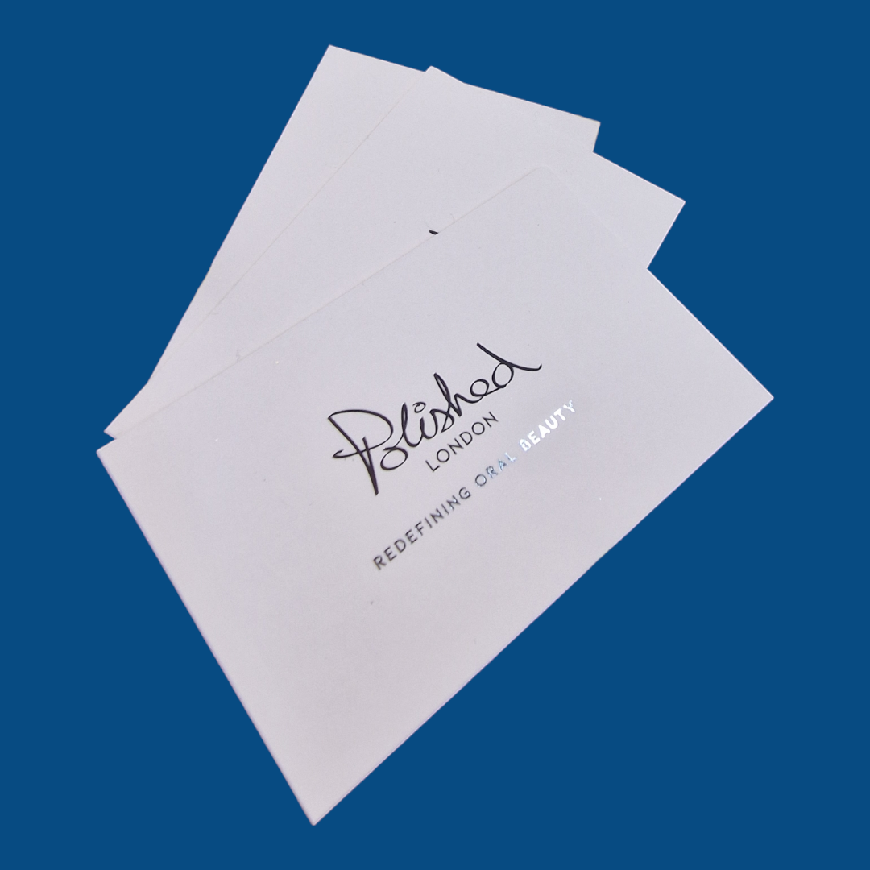
Business Cards

A sleek and elegant monochrome design oozing sophistication

A sleek and elegant monochrome design oozing sophistication

First impressions matter, and your business card is often the first piece of branding a potential client sees.

  • Bold and vibrant colours can make you stand out in a stack of business cards.
  • Subtle, elegant tones like navy blue or deep green give a professional and trustworthy feel.
  • Monochrome or minimal designs can add a touch of modern sophistication.

Flyers & Brochures

You want people to not just pick up your flyer but actually read it.
  • High-contrast colours (like white text on a dark background) improve readability.
  • Warm, bright colours work well for event promotions or special offers.
  • Cooler shades (like blues and greens) are great for corporate materials where trust and stability are key.

Posters & Banners

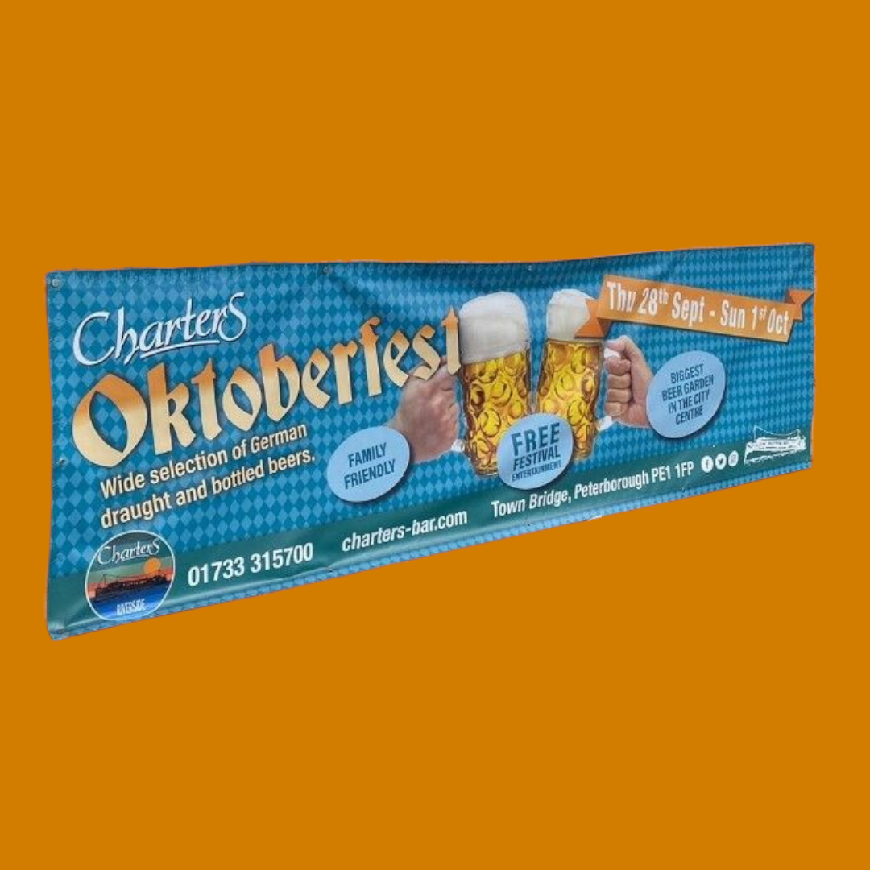
Bold colours and imagery are best for getting your message across on an outdoor banner

Bold colours and imagery are best for getting your message across on an outdoor banner

These need to grab attention quickly, especially in busy environments.

  • Big, bold, high-contrast colors make text pop and grab attention from a distance.
  • Red and yellow work great for sales and limited-time offers.
  • Dark, professional colours (like deep blues or blacks) add a premium feel for high-end brands.

The Role of Colour in Packaging Design

Packaging does more than protect a product—it sells it. Studies show that up to 85% of shoppers make buying decisions based on colour alone.

For example:

  • Bright, playful colours work well for children’s products.
  • Neutral tones (like beige and pastel shades) are popular in wellness and organic brands.
  • Metallics and deep blacks can create a quality, luxury feel.

If your product is sitting on a crowded shelf, the right colour choice can make it pop and attract customers before they even read what’s on the label.

Cultural Differences in Colour Meanings

Colour isn’t universal—what works in one country might not work in another.

  • In Western cultures, white is associated with purity and weddings, but in some Eastern cultures, it’s linked to mourning.
  • Red symbolises luck in China but can indicate danger in Western branding.
  • Green is linked to money in the U.S. but represents bad luck in some South American countries.

If you’re marketing internationally, it’s worth researching colour associations to avoid sending the wrong message.

Best Practices for Choosing Colours in Print

Now that you know how colour affects consumer behaviour, here are some quick tips for using it effectively in print:

  1. Stick to your brand colours – Consistency builds brand recognition.
  2. Test colours before printing – What looks good on screen may not translate the same in print.
  3. Use colour psychology to your advantage – Choose colours that align with the emotions you want to evoke.
  4. Consider your target audience – Different demographics react differently to colours.
  5. Think about contrast and readability – High-contrast text is easier to read, especially from a distance.

Making Colour Work for Your Brand

Colour is one of the most powerful tools in marketing and branding. Whether it’s in your business cards, brochures, posters, or packaging, choosing the right colours can influence emotions, drive sales, and strengthen your brand identity.

Need help with your next print project? We’re here to make sure your colours are spot on! Get in touch with us today, and let’s bring your brand to life in print.

Likes
« Back to Articles

Print Marketing for Hair & Beauty Businesses: Essential Materials to Attract and Retain Clients

Discover essential print materials for hairdressers, salons and beauty businesses, from price lists ...

Sat 9th May 2026

Read more...

From Quote to Completion: Where Print Supports Your Customer Journey

Discover how print materials support every stage of the customer journey, from first impressions to ...

Sun 26th April 2026

Read more...

Print Marketing for Gardeners & Landscapers - How to Win More Work This Spring

Discover the best print marketing ideas for gardeners and landscapers, from flyers and business card...

Sat 18th April 2026

Read more...

Why Quality Print Still Matters in a Digital World

Discover why quality print still plays a vital role in modern marketing, helping businesses stand ou...

Sat 11th April 2026

Read more...

Print Marketing for Estate Agents: How to Stand Out This Spring

Discover essential print materials for estate agents this spring, from property brochures and window...

Sat 4th April 2026

Read more...

DTF vs. Screen Printing

Need custom shirts in Peterborough? Learn how DTF printing saves you money on setup fees and small o...

Sat 28th March 2026

Read more...

How Consistent Branding Across Print Builds Trust

Learn why consistent branding across printed materials like flyers, brochures and packaging helps bu...

Sat 21st March 2026

Read more...

What is DTF and it's Benefits?

At its simplest, DTF (Direct-to-Film) is a digital printing process where a design is printed onto a...

Sat 14th March 2026

Read more...

Short-Run Print: Why Flexible Printing Is Perfect for Modern Marketing

Discover the benefits of short-run printing for modern marketing, from testing campaigns and seasona...

Sat 7th March 2026

Read more...

Spring Marketing Prep And The Print Materials You Should Be Ordering Now

Plan ahead for spring with the right print materials, from flyers and brochures to signage and event...

Sat 28th February 2026

Read more...